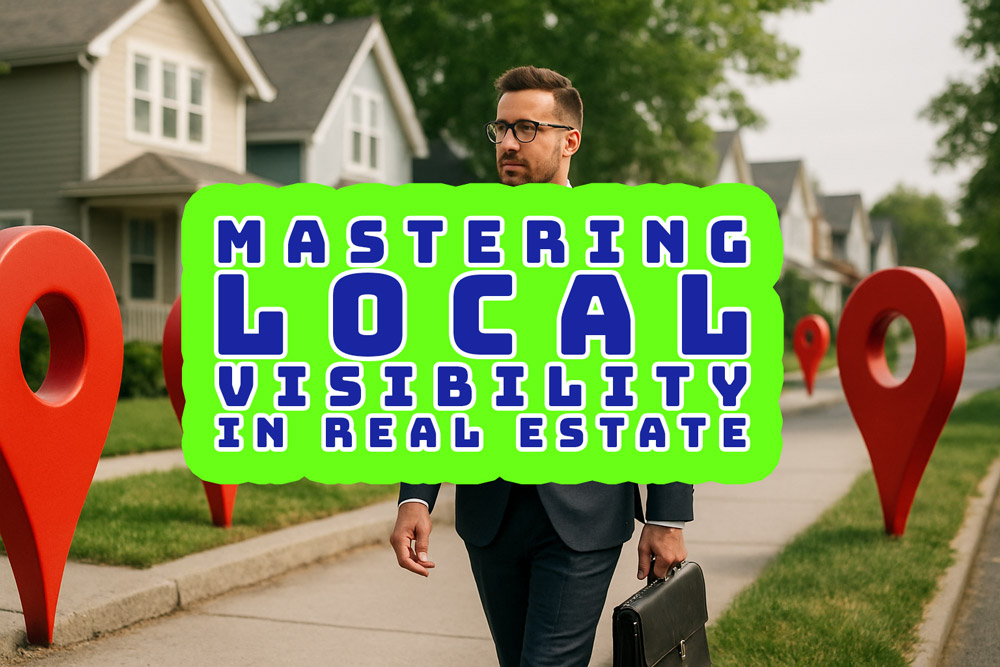
Mastering Local SEO for Real Estate: A Comprehensive Guide
Discover expert strategies to master local SEO for real estate, boost your visibility, attract more clients, and stay ahead in a competitive market.
Imagine a potential homebuyer searching for “homes for sale near me” on their phone while sipping coffee at a local café. What if your real estate business popped up right at the top of their search? That’s the magic of local SEO-getting your name in front of people exactly when and where they need it most.
Local SEO isn’t just a buzzword; it’s a game changer for real estate agents and agencies looking to dominate their market. This guide breaks down everything you need to know to master local SEO and turn those clicks into clients.
Why Local SEO Matters for Real Estate
Real estate is inherently local. Buyers want to know about neighborhoods, schools, and community vibes. When someone searches for a real estate agent or properties in a specific area, they expect results tailored to that location. If your website and online presence aren’t optimized for local searches, you’re missing out on a massive chunk of potential business.
Unlike broad SEO strategies that aim for global or national traffic, local SEO zeroes in on your specific market. This means higher quality leads—people who are actually ready to buy or sell in your area. Plus, local SEO helps build trust and authority within your community, which is priceless in a relationship-driven industry like real estate.
Furthermore, local SEO enhances your visibility on platforms like Google Maps and local listings, making it easier for potential clients to find you when they search for real estate services in their vicinity. By ensuring your business is listed accurately on Google My Business and other local directories, you can significantly increase your chances of being discovered by those who are actively looking for properties or agents in your area. This not only drives traffic to your website but also establishes a strong local presence that can lead to referrals and repeat business.
Additionally, engaging with your community through local SEO can involve creating content that resonates with your audience. This could include blog posts about local market trends, neighborhood spotlights, or guides to local events. By positioning yourself as a knowledgeable resource, you not only improve your search rankings but also foster a sense of connection with potential clients. When buyers see you as an expert in their area, they are more likely to trust you with their real estate needs, ultimately leading to increased conversions and long-term client relationships.
Getting Your Google My Business Profile Right
Claim and Optimize Your Listing
Google My Business (GMB) is the cornerstone of local SEO. If you haven’t claimed your listing yet, stop what you’re doing and do it now. A complete and accurate GMB profile makes it easier for Google to show your business in local search and Google Maps. By taking the time to set up your profile correctly, you ensure that potential customers can find you easily and get the information they need to choose your services over competitors.
Make sure your business name, address, and phone number (NAP) are consistent with what’s on your website and other directories. Upload high-quality photos of your office, team, and even some local landmarks to give your profile personality. Don’t forget to select the right categories—“Real Estate Agency” or “Real Estate Agent” are obvious choices, but you can add specialties like “Commercial Real Estate” or “Property Management” if applicable. Additionally, consider adding a business description that captures your unique selling proposition and highlights what sets you apart in the real estate market. This is your chance to tell your story and connect with potential clients on a personal level.
Encourage and Manage Reviews
Reviews are social proof in action. Positive feedback not only boosts your credibility but also influences your local search rankings. Ask happy clients to leave honest reviews on your GMB page and respond to all reviews—good or bad—with professionalism and gratitude. This shows prospective clients you care and helps build a trustworthy reputation. Furthermore, consider creating a follow-up system to remind clients about leaving reviews after a successful transaction. A simple email or text message thanking them for their business and inviting them to share their experience can go a long way in increasing your review count.
Moreover, actively managing your reviews can provide valuable insights into your business performance. By analyzing the feedback, you can identify areas for improvement and adjust your services accordingly. Engaging with clients who leave reviews also fosters a sense of community and loyalty, encouraging them to return for future transactions. Remember, each review is an opportunity to showcase your commitment to customer satisfaction, so take the time to highlight positive comments in your marketing materials and social media channels. This not only reinforces your brand image but also attracts new clients who are looking for a reliable and reputable real estate professional.
Local Keyword Research: Speak Your Market’s Language
Keywords are the backbone of SEO, but local SEO requires a sharper focus. Instead of generic terms like “real estate agent,” think “real estate agent in [your city]” or “homes for sale in [neighborhood].” These phrases capture exactly what your potential clients are typing into search engines.
Use tools like Google Keyword Planner, Moz, or Ahrefs to discover popular local search terms. Don’t overlook long-tail keywords-they might have lower search volume but often attract highly motivated buyers or sellers. For example, “affordable condos near downtown Austin” might bring in fewer searches but better leads than just “condos.”
Optimize Your Website for Local Searches
Localize Your Content
Your website should feel like it belongs to your community. Create pages dedicated to neighborhoods, towns, or districts you serve. Include local landmarks, schools, and amenities in your descriptions. Blog about community events, market trends, or home buying tips specific to your area. This not only improves SEO but also positions you as a local expert.
Use Structured Data Markup
Structured data, or schema markup, helps search engines understand the context of your content. Adding local business schema to your website can enhance your listing with rich snippets like your address, phone number, and business hours. This can increase your click-through rates by making your search result stand out.
Mobile-Friendly and Fast
Most local searches happen on mobile devices. If your website isn’t mobile-friendly or takes ages to load, you’ll lose visitors fast. Use responsive design and optimize images to keep your site quick and user-friendly. Google rewards fast, mobile-optimized sites with better rankings.
Leverage Local Backlinks and Citations
Backlinks from reputable local websites send strong signals to search engines that you’re a trusted part of the community. Reach out to local news sites, chambers of commerce, or community blogs for guest posting or partnership opportunities. Sponsoring local events or charities can also earn you valuable mentions and links.
Citations-mentions of your business name, address, and phone number on other websites-are equally important. Ensure your NAP information is consistent across directories like Yelp, Zillow, Realtor.com, and local business listings. Inconsistent information can confuse search engines and hurt your rankings.
Utilize Social Media to Boost Local Presence
Social media platforms are powerful tools for connecting with your local audience. Share listings, client success stories, and community news regularly. Engage with followers by responding to comments and joining local groups or forums. This interaction not only builds relationships but also drives traffic to your website.
Platforms like Facebook and Instagram offer location tagging and local advertising options. Running geo-targeted ads can put your listings and services in front of people searching in your area, increasing your visibility and lead generation.
Track, Analyze, and Adjust Your Strategy
SEO isn’t a set-it-and-forget-it deal. Use Google Analytics and Google Search Console to monitor your website traffic, user behavior, and keyword performance. Pay attention to which pages attract local visitors and which keywords convert into leads.
Regularly audit your Google My Business insights to see how people find your listing and interact with it. Use this data to tweak your content, update your keywords, and refine your outreach efforts. Staying flexible and data-driven will keep your local SEO efforts effective over time.
Bonus Tips for Real Estate Agents
Use Virtual Tours and Videos
Adding virtual tours or video walkthroughs of your listings can improve engagement and time spent on your site-both positive SEO signals. Plus, videos are highly shareable on social media, helping you reach a wider local audience.
Host Local Events and Webinars
Whether it’s a first-time homebuyer seminar or an open house event, hosting local gatherings (even virtual ones) can boost your community presence. Promote these events online and encourage attendees to leave reviews or share their experience on social media.
Optimize for Voice Search
With smart speakers and voice assistants becoming household staples, optimizing for voice search is smart. People tend to speak differently than they type, often using questions like “Who is the best real estate agent in [city]?” or “Where can I find affordable homes near me?” Incorporate natural, conversational phrases into your content to capture this traffic.
Wrapping It Up
Mastering local SEO for real estate is about being discoverable, trustworthy, and relevant to your community. It takes some effort-claiming your Google My Business listing, crafting localized content, building local backlinks, and engaging on social media-but the payoff is worth it. When your business shows up right where your clients are searching, you’re not just competing; you’re winning.
Start with small steps, track your progress, and keep refining your approach. Soon enough, your name will be the one people remember when they’re ready to buy or sell a home in your neighborhood.

